Citronella Oil: A Natural Way to Help Keep Bugs at Bay
A friendly guide to citronella essential oil: how it may help deter insects, an honest look at the evidence, a simple DIY spray, and safe dilution and storage.
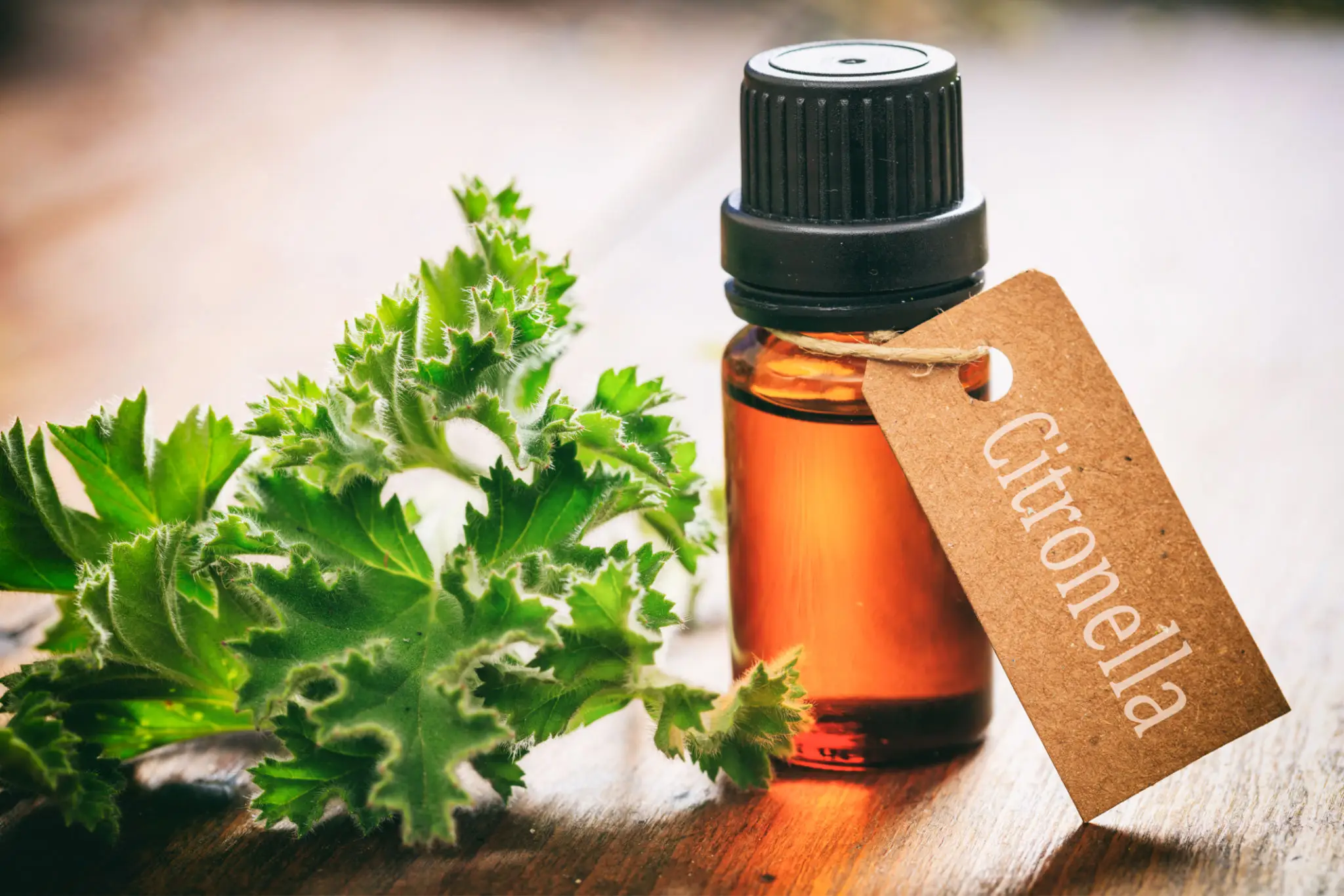
There is nothing better than sitting outside on a warm evening, and nothing that ends it faster than a cloud of mosquitoes. Citronella has been our family’s natural helper against that for as long as we can remember. The scent is fresh, lemony and green, and bugs tend not to love it the way we do.
We want to be straight with you from the start though. Citronella is a natural deterrent, not a force field, and the research on how well it works is genuinely mixed. This guide will show you how to get the most out of it, and where its limits are.
How citronella is thought to work
Citronella oil is distilled from a tall tropical grass, a close cousin of the lemongrass we also grow. Its main compounds, citronellal, geraniol and citronellol, give it that lemony scent and are thought to mask the smells that draw insects to us, making it harder for them to find you.
Here is the honest part. Some studies suggest citronella may reduce mosquito bites, but its effect tends to be shorter-lived than synthetic repellents like DEET, often wearing off within an hour or two as the oil evaporates. That means it can help, but you have to reapply it often, and it will not give the long, reliable protection of a registered repellent. The US Environmental Protection Agency and Healthline both have level-headed overviews worth reading.
So where does that leave citronella? We see it as a pleasant, natural layer for a backyard evening, not as protection in a place where mosquito-borne illness is a real risk. In those situations, please use a proven, registered repellent instead. This is not medical advice, and if you are travelling somewhere with malaria, dengue or similar, talk to a doctor or a travel clinic about proper protection.
A simple DIY citronella spray
When we want a light, fresh spray for the patio, this is the blend we make. It is easy and it smells wonderful.
- Into a small spray bottle, add about 30ml of witch hazel (or vodka), which helps the oil mix.
- Add 10 to 15 drops of citronella oil.
- Top up with about 30ml of water.
- Shake well before every use, because the oil and water will separate.
Because the oil evaporates, reapply every hour or so, and always patch test on a small area of skin first, more on safe skin use below. Keep it off your face and away from eyes; spray your hands and pat it on instead.
If you would rather not put anything on your skin, a diffuser or a few drops on outdoor citronella candles can help scent the immediate area around where you are sitting.
Other ways we use it
Citronella is not only for bugs. Its clean, sharp scent makes it useful around the home too.
- Freshening the outdoors: a few drops in an outdoor diffuser sets the mood for a summer dinner.
- Natural cleaning blends: like its cousin lemongrass, citronella brings a fresh note to homemade surface sprays. Always test a hidden spot first and avoid natural stone.
- Deodorising: a couple of drops on a cloth in the bin area or the shoe cupboard helps cut mustiness.
If you like this style of fresh, citrusy oil, you will probably enjoy our pure lemongrass essential oil too, and there is a fuller tour of the range in 6 tropical essential oils you must try.
Using it safely
Citronella is potent, so a little care goes a long way.
- Always dilute for the skin. Keep to around 1 percent, roughly 6 drops per 30ml of carrier oil or witch hazel base. Undiluted oil can irritate.
- Patch test first. Dab a small amount of your diluted blend on your inner forearm and wait 24 hours to check for redness.
- Keep it off the face and out of eyes and broken skin.
- Do not swallow it.
- Mind children and pets. Citronella is best kept away from young children’s skin, and it can be irritating to pets, cats and dogs especially, so keep diffusing gentle and give them room to leave.
If you are pregnant, breastfeeding, on medication, or managing a health condition, check with your doctor or pharmacist before using citronella on your skin. For safe-use basics with any essential oil, the Cleveland Clinic guide is a good reference.
Storing citronella oil
Like our other citrusy oils, citronella fades faster in light and heat. Keep the bottle tightly capped in a cool, dark cupboard, and it will hold its fresh scent for a year or two. If it smells dull or off rather than bright and lemony, replace it.
The citronella we bring you
Our citronella essential oil comes from the same warm hills as our cinnamon and lemongrass, and it is a summer favourite with our Australian customers especially. Our oils ship within Australia only. Use it as a fresh, natural layer for your evenings outside, reapply often, and reach for a registered repellent when bugs are more than a nuisance.
However you use it, every bottle helps support the growers and the community around our family estate. That is the reason we do any of this, and we are grateful you are part of it.
Taste the difference for yourself
Real Ceylon cinnamon, grown and hand-rolled on our family estate in Sri Lanka.
Shop the estate