Lemongrass Essential Oil: Fresh Uses at Home and in the Kitchen
A friendly guide to pure lemongrass essential oil: bright uses around the home, safe dilution, what the research suggests, and the difference from the herb.
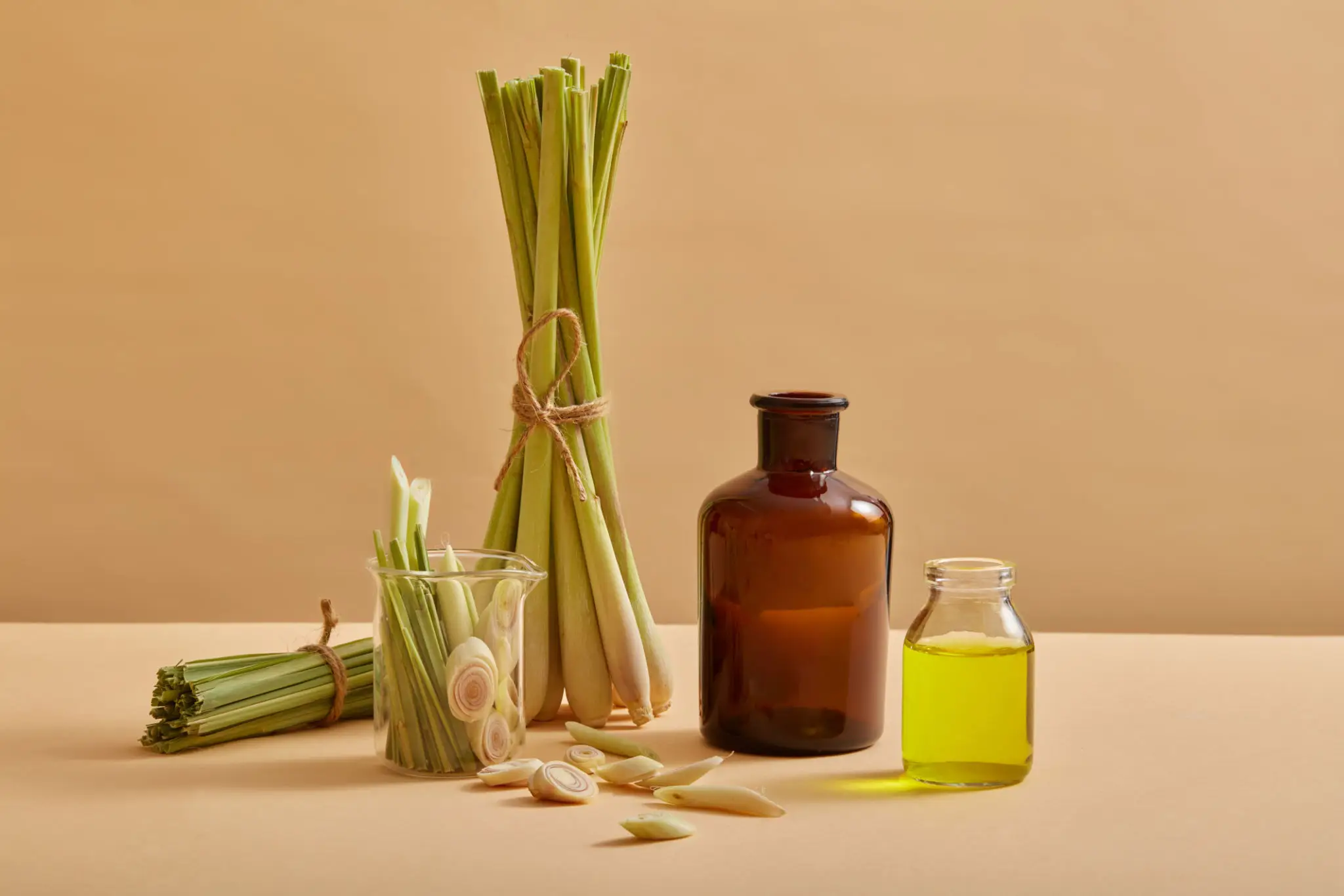
If lavender is the oil for winding down, lemongrass is the one for waking up. It has a bright, green, citrusy scent that smells like a freshly wiped kitchen bench and a sunny morning at the same time. In our family, it is the oil we reach for when we want the house to feel clean and alive.
It grows beautifully in the same warm, humid climate as our cinnamon, so it has always been part of home for us. Here is how to use it around the house, a note on the kitchen, and the safety basics that matter with any concentrated oil.
What lemongrass oil is good for
Lemongrass oil is distilled from the leaves of the lemongrass plant, and most of its punch comes from a compound called citral, which is also what gives it that lemony lift.
People mainly love it for the scent. Some studies suggest lemongrass aroma may help people feel more alert or a little less tense, though the research is early and mixed, so we would not oversell it. It is also studied for its antibacterial and antifungal properties in lab settings, which is part of why it turns up in natural cleaning blends. Lab results do not always translate to real life, so treat that as interesting rather than proven. If you like reading the detail, Healthline has a balanced overview.
Bright uses around the home
Here is where lemongrass really earns its place. It is the oil that makes a kitchen smell like you have your life together, even on the days you do not.
- In a diffuser: a few drops clears a stuffy room and gives the house a fresh, uplifting note. Lovely for a home office or a kitchen.
- A natural surface spray: mix a small amount of lemongrass oil with water, a splash of white vinegar, and a tiny bit of dish soap to help it blend. Shake well before each use and wipe down non-porous benchtops. Always test a hidden spot first, and skip it on natural stone.
- A room and linen mist: water, a little witch hazel, and a few drops of oil in a spray bottle freshens curtains, cushions and the car.
- Outdoors: lemongrass is a cousin of citronella and shares some of the same insect-deterring compounds, so a diffuser on the patio can help set the mood on a summer evening.
Can you cook with the oil?
This is the question we get most, so let us be clear. The herb lemongrass, the fresh stalk you bruise and simmer, is a wonderful cooking ingredient. Lemongrass essential oil is a different thing entirely: it is hugely concentrated, and most lemongrass oils, including ours, are made and sold for aromatic and topical use, not for eating.
So for a Thai curry or a fragrant broth, reach for the fresh stalk, not the bottle. If a recipe ever calls for a food-grade essential oil, it will say so specifically and use it in tiny, measured amounts. When in doubt, keep the oil for your diffuser and your cleaning, and cook with the plant.
Where the two do meet nicely is scent pairing. Lemongrass sits beautifully alongside warm spices, so a lemongrass diffuser while you simmer a cinnamon-spiced dish makes the whole kitchen smell wonderful. We have plenty of cooking ideas in how to use cinnamon sticks.
How to use it safely
Lemongrass is bright and cheerful, but it is potent, and it is known to be a little harder on skin than gentler oils like lavender.
- Always dilute for the skin. Stick to around 1 percent for lemongrass, which is about 6 drops per 30ml of a carrier oil such as jojoba or sweet almond. It can irritate sensitive skin, so err on the gentle side.
- Patch test first. Apply a small amount of your diluted blend to your inner forearm and wait 24 hours before using it more widely.
- Keep it out of eyes and away from broken skin.
- Never swallow it unless a qualified professional has advised a specific food-grade product and dose.
- Take care with children and pets. Cats in particular can be sensitive to diffused oils, so give them a way to leave the room, and keep bottles well out of reach.
If you are pregnant, breastfeeding, on medication, or living with a health condition, please check with your doctor or pharmacist before using lemongrass oil. This is general information, not medical advice, and your doctor knows your situation best. For safe-use basics, the Cleveland Clinic has a clear guide.
Storing it so it lasts
Citrus-bright oils like lemongrass fade faster than most if you are careless with them, because light and heat break down that citral quickly. Keep the bottle tightly capped, in a cool, dark cupboard, away from the stove and the window. Kept well, it will hold its fresh scent for a year or two. If it starts to smell flat or turpentine-like, it has had its day.
The lemongrass we grow
Our pure lemongrass essential oil comes from the same corner of Sri Lanka as our cinnamon, and it is a favourite with customers who like a clean, energising scent in the house. If you enjoy it, you may also like our citronella oil for outdoor evenings, and there is a fuller tour of the range in 6 tropical essential oils you must try. Our oils ship within Australia only.
Start with a few drops in a diffuser and see how it lifts a room. Keep the dilution rules close if you want to use it on skin, and let the fresh, green scent do its quiet work. Every bottle helps support the growers and the community around our estate, and that is the whole point of what we do.
Taste the difference for yourself
Real Ceylon cinnamon, grown and hand-rolled on our family estate in Sri Lanka.
Shop the estate