Canela: How Mexico Fell in Love With True Ceylon Cinnamon
Mexico is one of the biggest buyers of true Ceylon cinnamon on earth, and it uses it everywhere.
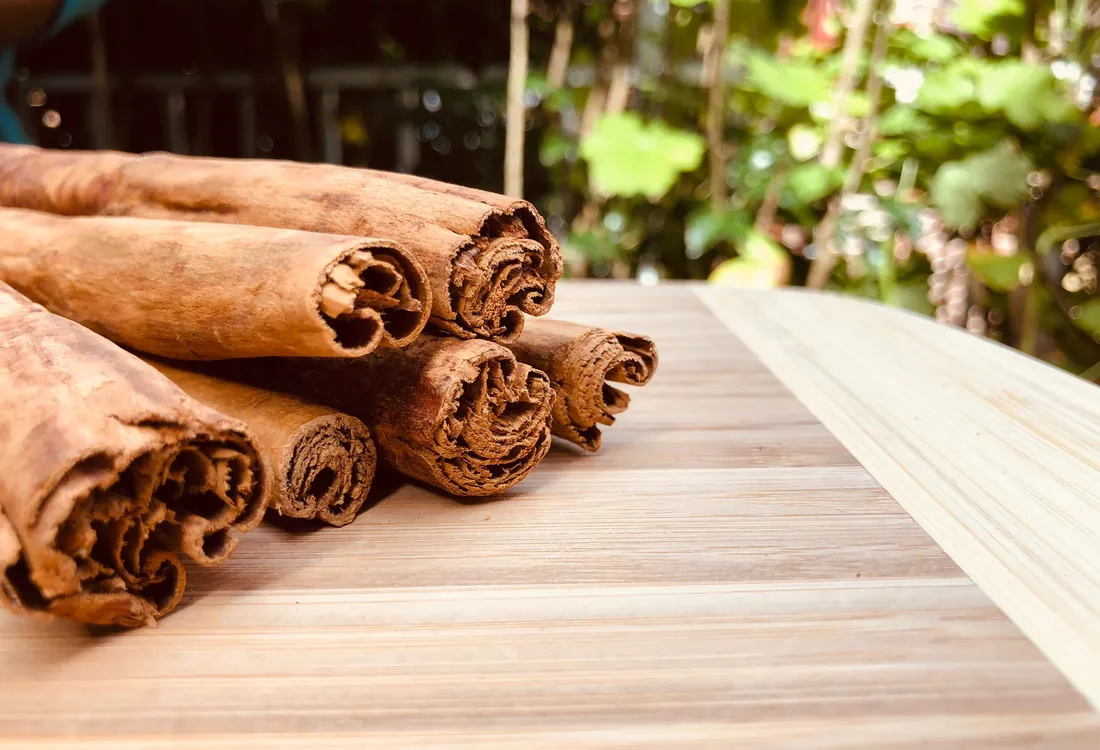
Walk into a Mexican market and ask for canela, and you will be handed something that might surprise you. The sticks are pale, soft, and papery, wrapped in loose little coils that crumble if you press them. They look nothing like the hard, dark quills sold as “cinnamon” in much of the world. That is because canela is not cassia. Canela is true Ceylon cinnamon, the same Cinnamomum verum our family grows in Sri Lanka.
Mexico did not stumble into this. It chose it, and it has stayed loyal for a very long time.
A country that chose true cinnamon
Here is a fact that delights us every time. Mexico is one of the largest buyers of Ceylon cinnamon in the world. Sri Lanka’s own Export Development Board names the United States and Mexico as the main markets for Ceylon cinnamon, the spice it calls “true cinnamon” and rates as superior to cassia. In recent trade years Mexico has taken a striking share of Sri Lanka’s cinnamon exports, often the single biggest destination.
What makes this special is the preference behind it. Most of the world cooks with cassia, the harder, spicier bark that makes up the great bulk of the global cinnamon trade. Mexico reaches instead for the delicate, floral, sweet true cinnamon. As Mexico News Daily puts it, canela is milder and more complex, and its thin, fragile quills “curl around themselves and crumble easily.” A whole cuisine grew up around that gentler flavour.
The drinks that run on canela
Nowhere is canela more at home than in a Mexican cup.
Start with café de olla, coffee brewed the old way in a clay pot, or olla de barro, which is where it gets its name. The coffee is sweetened with piloncillo, unrefined cane sugar, and perfumed with a stick of canela. The clay and the cinnamon together give it a warm, earthy depth that no plain drip coffee ever finds.
Then there is champurrado, the thick, chocolate cousin of atole. Atole is ancient. It is a masa-thickened corn drink that the Aztecs and other Mesoamerican peoples drank in daily and ceremonial life, its name coming from the Nahuatl atolli. When the Spanish arrived in the 16th century they folded in sugar, milk and cinnamon, and chocolate atole became champurrado (Wikipedia). Canela is stirred right through it.
And then there is horchata, the milky, ice-cold rice drink poured in every taquería. Its story is a journey in itself. The idea travelled from Valencia in Spain, where horchata was made from tiger nuts, and in the Americas the tiger nuts gave way to rice (Wikipedia). Cinnamon came along for the ride and never left. In Mexican horchata, canela is the flavour that ties it all together.
From the dessert bowl to the mole pot
Canela does not stop at drinks. It runs through the sweet end of the Mexican table, in arroz con leche, the cinnamon-scented rice pudding, in flan, in churros dusted warm, and in the ponche navideño that simmers on stoves at Christmas. During the holidays, Latin markets stack up long stalks of soft cinnamon bark just for the season, a sign of how woven in it is.
What sets Mexican cooking apart is that canela crosses over into savoury food too. It is a quiet but real presence in mole, the deep, layered sauce that can carry dozens of ingredients, and it turns up in marinades and bean dishes, where a little true cinnamon adds warmth and roundness without shouting (Muy Bueno). And of course there is Mexican chocolate itself, those grainy discs of roasted cacao, sugar and cinnamon that melt into hot chocolate and champurrado alike.
Why the soft, crumbly stick matters
All of this rests on the nature of the spice. Cassia is hard. Most people cannot snap a cassia stick with their hands. True Ceylon cinnamon is soft and layered, made of many fine sheets rolled together, and it gives way easily. That softness is not a flaw, it is the whole point. It means the flavour is gentler and sweeter, which is exactly why it can slip into a savoury mole or a delicate rice pudding without taking over.
So when you read a Mexican recipe that calls for canela, it is asking for the spice we hand-roll on our family estate. Our Ceylon cinnamon sticks are the same soft, pale quills, and our true Ceylon cinnamon powder is simply those quills ground fine. We grow it in Sri Lanka, roll every quill by hand, never fumigate it, and send it direct so the growers keep a fairer share.
Mexico worked out long ago what Ceylon cinnamon brings to a pot. If cassia is all you have cooked with, a pot of café de olla or a glass of horchata made with true Ceylon cinnamon is a lovely place to taste the difference for yourself. Your kitchen is welcome to join a very old love story.
Sources: Sri Lanka Export Development Board, Mexico News Daily, Muy Bueno, Champurrado (Wikipedia), Horchata (Wikipedia).
Taste the difference for yourself
Real Ceylon cinnamon, grown and hand-rolled on our family estate in Sri Lanka.
Shop the estate