Qerfa: Ceylon Cinnamon and the Sweet-Savoury Kitchens of Morocco
In Morocco, cinnamon goes on the lamb, not just the cake. A warm look at qerfa in tagines, pastilla, ras el hanout and the sweets served with mint tea.
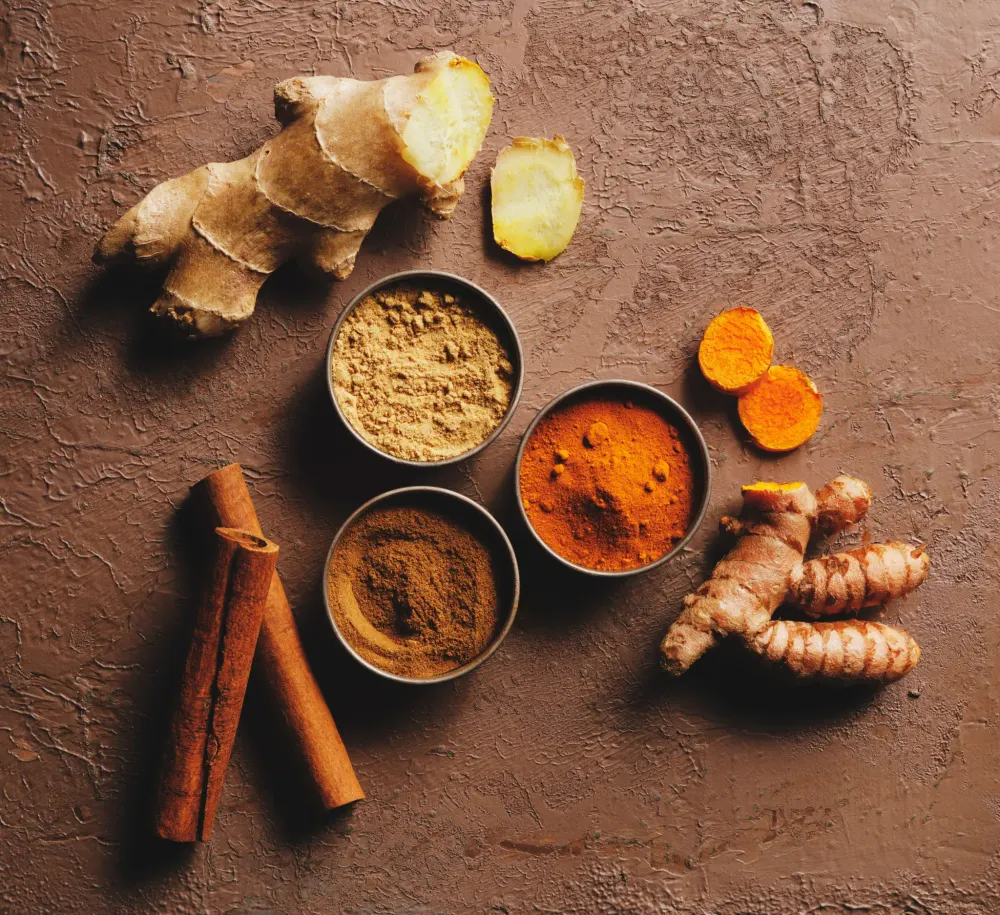
In Morocco, cinnamon is qerfa, sometimes written karfa or qarfa depending on who is spelling it (Tajine Qui Parle). Asking for it is the easy part.
The surprise is where it ends up. It is not in a cake at all. It turns up in the onions cooking down beside a shoulder of lamb, in a blend rubbed into meat, and dusted in a fine layer over the top of a savoury pie. If you grew up filing cinnamon under dessert, Moroccan cooking quietly takes the file away.
A kitchen that never split sweet from savoury
Moroccan cooking is a long conversation between cultures. It is usually described as a mix of Arab, Amazigh, Andalusi, Mediterranean and African cooking, with some later French and Spanish edges, and cinnamon sits at the front of its list of everyday spices alongside cumin, turmeric, ginger, saffron and paprika (Wikipedia).
Here is the thing worth sitting with. The sweet-and-savoury divide most of us cook by is a habit, not a rule, and Moroccan kitchens never adopted it. Cinnamon there is a savoury spice that happens to taste sweet, and that one shift changes what a whole cuisine can do.
The tagine, and honey with your meat
The clearest example is tfaya, a sauce of caramelised onions, raisins, sugar, butter and cinnamon, spooned over couscous and usually served with chicken (Wikipedia). It is sweet. It is also dinner. Then there is mrouzia, a lamb tagine built around prunes, honey and spice, rich and dark and unmistakably a main course.
Where did this come from? Food historians point back to medieval Andalusia and the movement of people out of Spain around 1492, though the picture is genuinely debated (Wikipedia). What is not in doubt is the result, which is a tradition where dried fruit, honey and warm spice belong with the meat rather than after it.
Pastilla, the pie dusted in cinnamon and sugar
If you want the idea in one dish, it is pastilla, also spelled b’stilla or bastilla.
It is built in layers. Crisp sheets of warqa, a tissue-thin crepe-like pastry, wrap meat that has been slow-cooked in broth and spices, then shredded and bound with an egg-based sauce, and all of it sits over a crunchy layer of toasted ground almonds mixed with cinnamon and sugar. Traditionally the meat is squab, young pigeon. Most modern versions use chicken. The finished pie comes out of the oven and is dusted with icing sugar and cinnamon, usually in a lattice (Wikipedia).
In Morocco it is generally served as a starter at the beginning of a special meal, which is its own small shock to a Western table.
The sugar and cinnamon go on the outside while the slow-cooked meat waits within, and nobody in Morocco finds this odd.
Ras el hanout, the head of the shop
You cannot talk about Moroccan spice without ras el hanout. The name means “head of the shop”, the sense being the best of what the seller has (Wikipedia).
There is no fixed recipe. It usually runs to more than a dozen spices, and every shop, company and family keeps its own version. Cinnamon is a regular. So are cardamom, cumin, clove, nutmeg, mace, ginger, coriander seed, peppercorn and turmeric, with regional blends reaching for things like grains of paradise. It gets rubbed on meat or fish, or stirred through couscous and rice.
A blend like that only works if every part behaves. One loud spice and the whole thing collapses into itself.
Tea, oranges, and the end of the meal
Then the pot comes out. Maghrebi mint tea is made with gunpowder green tea, which reached North Africa through British trade in the 18th and 19th centuries, poured from a height into small glasses to aerate it. At least three are served, and a proverb describes them as the first being bitter as life, the second strong as love, and the third soothing as death (Wikipedia).
Cinnamon is usually not in the teapot. It is in everything served beside it. Chebakia, the flower-shaped Ramadan pastry, is spiced with anise, sesame and cinnamon before it is fried and soaked in honey. Sellou, also called sfouf, is a crumbly paste of roasted flour, almonds and sesame with cinnamon and anise. And at the plain end of things, oranges are sliced and scattered with cinnamon and orange blossom water, then served as dessert when the navel oranges are good (Taste of Maroc). Moroccan spiced coffee carries it too, alongside cardamom, clove and nutmeg (Tasting Table).
Why the gentler bark suits this food
All of this is layered cooking. Tagines run for hours, ras el hanout balances a dozen spices at once, and pastilla asks pastry, almonds, meat and sugar to share a plate.
That is exactly the job true Ceylon cinnamon, Cinnamomum verum, is good at. It is native to Sri Lanka, which still produces 80 to 90 per cent of the world’s supply of true cinnamon, and its quills are made by loosening the inner bark by hand, peeling it, and rolling the fine sheets together (Wikipedia). The result is softer and sweeter than cassia, the hard, hot bark sold as plain “cinnamon” in most supermarkets. In a dish with this many voices, the hot bark shouts. The gentle one holds the room together.
Our family grows it in Sri Lanka, rolls every quill by hand, never fumigates it, and sells it direct so growers keep a fairer share. Drop a Ceylon cinnamon stick into your next tagine and pull it out at the end, or keep true Ceylon cinnamon powder near the stove for dusting oranges. Then cook something savoury with it, and see whether you still think cinnamon belongs in the cake tin.
Sources: Moroccan cuisine (Wikipedia), Pastilla (Wikipedia), Ras el hanout (Wikipedia), Tfaya (Wikipedia), Maghrebi mint tea (Wikipedia), Cinnamomum verum (Wikipedia), Taste of Maroc, Tasting Table, Tajine Qui Parle.
Taste the difference for yourself
Real Ceylon cinnamon, grown and hand-rolled on our family estate in Sri Lanka.
Shop the estate