The Terroir of Ceylon Cinnamon: How a Hillside Shapes a Spice
Wine has terroir and so does cinnamon. This is a look at the soil, rain and shade of Sri Lanka's wet zone, and how a place ends up inside the flavour of a spice.
Wine drinkers have a word for this. Terroir is the idea that a place leaves its fingerprint on whatever grows there, so the same grape planted on two different slopes gives you two different wines. Coffee borrowed the word. Chocolate borrowed it too. We think cinnamon has earned it as much as any of them, because a cinnamon tree spends its whole life reading the ground it stands in, and the bark is its answer.
So here is the honest version of what a hillside in Sri Lanka does to a spice.
The tree is fussier than it looks
Cinnamomum verum, the true cinnamon tree, is native to Sri Lanka and southern India, and it is an evergreen of the laurel family rather than anything exotic to look at (Britannica). What it wants, though, is quite specific. It likes an average temperature around 27 degrees with no real extremes, and it wants roughly 2,000 to 2,500mm of rain spread across the year rather than dumped in one season, falling on something like 150 days (Useful Tropical Plants). It will grow high up, but the bark worth peeling comes from trees below about 500 metres, where the warmth is steady.
The soil matters even more. Cinnamon wants ground that is sandy and free draining but still holds a little moisture, sitting somewhere slightly acidic. Put the same tree in waterlogged or marshy ground and it does not simply grow slower. It makes a bitter bark with poor aroma, which suggests how much the ground gets into the flavour.
Why the southwest belt
Sri Lanka is a small island with wildly different climates, and cinnamon has settled almost entirely into the wet southwest. The old heartland runs through the southern coastal districts, in villages inland of Galle and Matara and up the belt towards Colombo, where the two monsoons keep the year damp and the sea keeps it warm (Al Jazeera). That corner of the island now supplies the great majority of the world’s true cinnamon, with Sri Lanka holding around 90 per cent of the global market for it (Sri Lanka Export Development Board).
There is history in that geography too. The Dutch planted cinnamon on the sandy flats near Colombo in the colonial era, and the Colombo suburb still called Cinnamon Gardens is named for plantations that have long since vanished under houses (Al Jazeera). The trees moved south. The name stayed put.
Rain decides when the bark will come away
Here is the part that surprised us most when we first learned it properly. Cinnamon is not harvested when the weather is pleasant. It is harvested when it rains.
The main peeling season runs from about June to December, through the monsoon, because that is when the sap is running and the inner bark will lift away from the wood in one clean sheet (Al Jazeera). In dry weather the bark grips hard and tears. Peelers read the tree rather than the calendar, and one of the signs they watch for is the young leaves turning a striking red. Rainfall is not just a growing condition here. It sets the working year.
Shade plays its own quiet part. The tree is happy in full sun or dappled light, and on smallholdings it often grows among other trees rather than in bare rows, which slows it down a little and keeps the ground from baking.
The chemistry follows the place, but not alone
None of this would matter if it did not show up in the spice, and it does. Researchers who have collected bark from different Sri Lankan districts and run the oils through gas chromatography find measurable differences in composition between them (comparative GC-MS study of bark oils from different geographical locations).
We should be fair about the limits of that, though. Place is one variable among several. The cultivar matters, and so does the age of the shoot when it is cut, with studies showing that oil yield and the balance of compounds shift as a stem matures (Ruhuna Journal of Science). A great hillside farmed carelessly still gives ordinary cinnamon. Terroir is the hand you are dealt, not the way you play it.
Place is now on the paperwork
In February 2022 the European Commission registered Ceylon Cinnamon as a Protected Geographical Indication, the first product from Sri Lanka ever to get one, after a long application developed with support from the United Nations Industrial Development Organization (UNIDO). It is the same principle that protects Champagne or Parma ham. The name belongs to the place, and the place has to be real.
For growers that recognition is worth something practical. It makes origin a thing a buyer can check rather than a thing a label can borrow.
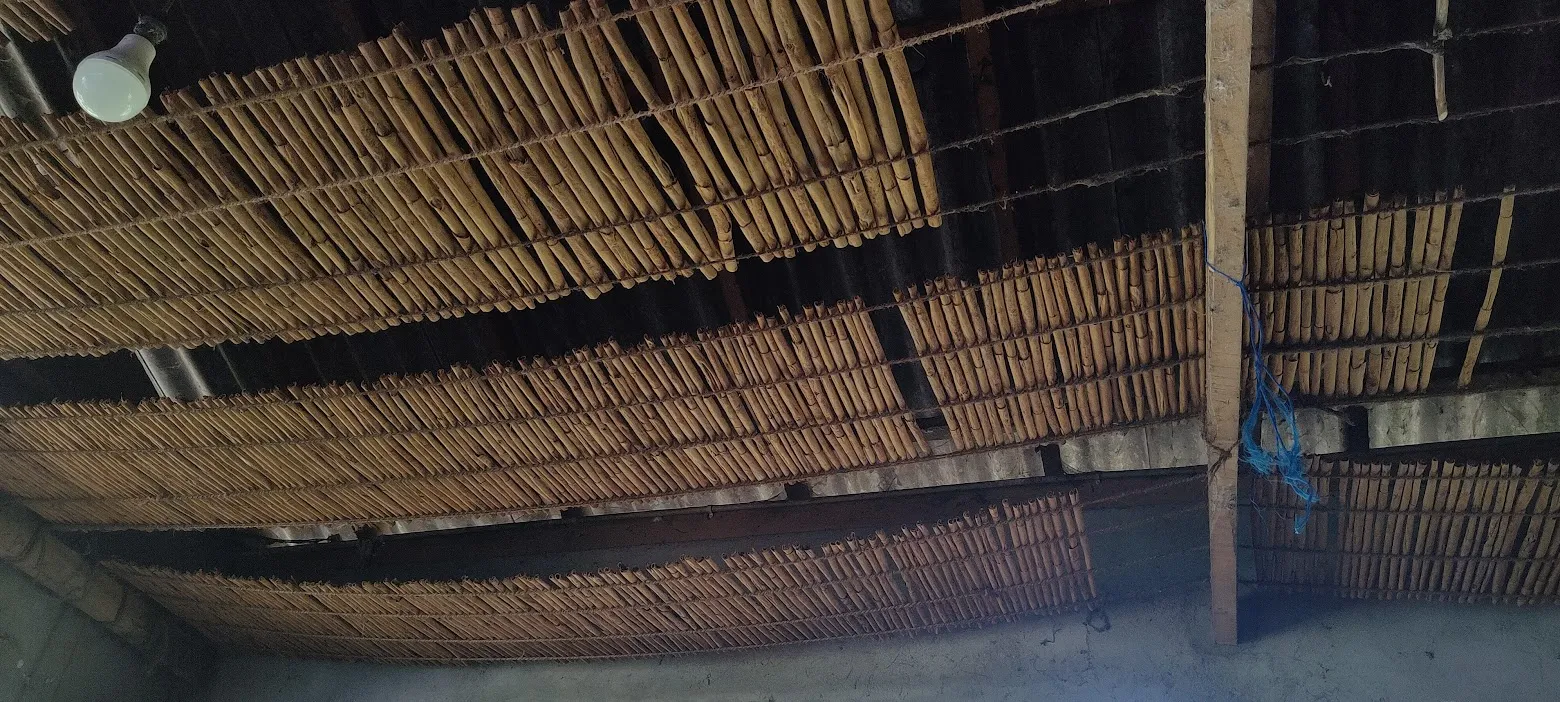
Our own trees grow in that wet southwest belt on our family estate, and every quill is peeled and rolled by hand, dried on racks like the ones above, and never fumigated. If you would like to taste what a particular corner of Sri Lanka does to a spice, our Ceylon cinnamon sticks and our true Ceylon cinnamon powder come to you direct from it, so the growers keep a fairer share of what their hillside made.
Sources: Britannica: cinnamon · Useful Tropical Plants: Cinnamomum verum · Al Jazeera: Harvesting true cinnamon · Sri Lanka Export Development Board · Comparative GC-MS study of Ceylon cinnamon bark oils by location · Ruhuna Journal of Science: maturity and oil constituents · UNIDO: EU protected geographical indication for Ceylon cinnamon
Taste the difference for yourself
Real Ceylon cinnamon, grown and hand-rolled on our family estate in Sri Lanka.
Shop the estate