The 60% Goal: Sending More Back to the Growers
Our goal is to return 60% of profit to the growers and the ecosystem behind our cinnamon. Here is why we set it, and what direct trade actually changes.
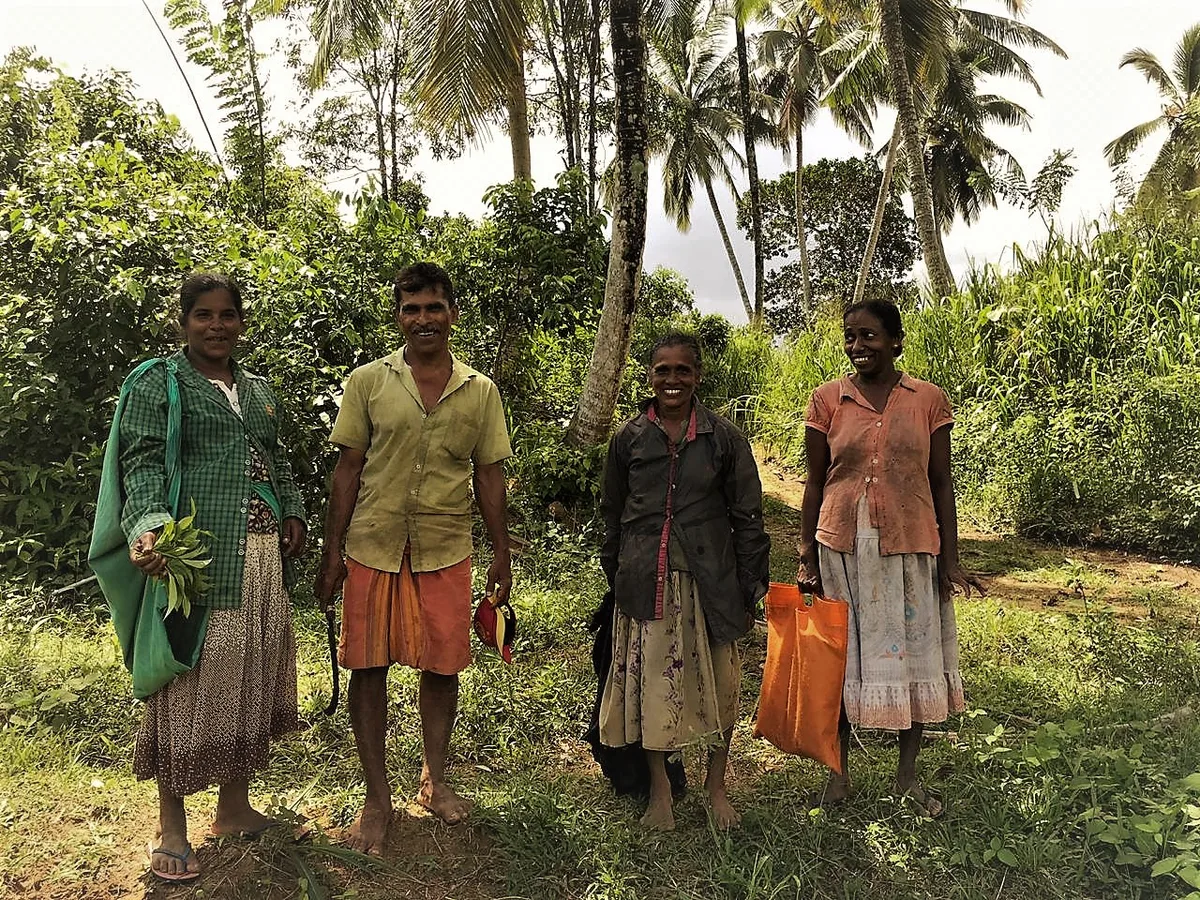
Sri Lanka grows some of the world’s finest cinnamon. The families who grow it see very little of what you finally pay for it.
This isn’t a tragedy of dramatic exploitation. It’s quieter than that, the ordinary economics of a long supply chain, repeated millions of times until it looks normal.
So we set ourselves a number to aim at. Our goal is to return 60% of profit to the growers and the ecosystem that produces our cinnamon, instead of letting it leak away to corporations along the way. We want to be clear that this is a goal we are working towards and not a finished achievement, but it is the number we hold ourselves to.
The chain
A cinnamon quill passes through a lot of hands before it reaches a Western shelf.
The grower sells to a local collector. The collector sells to an exporter. The exporter ships to an importer. The importer sells to a distributor. The distributor sells to a retailer. The retailer sells to you.
Each link takes a margin. Each is, individually, reasonable. But by the time the spice reaches a supermarket, a large share of the final price has been taken by people who never touched a tree. The family at the very start of the chain, the one doing the hardest, most skilled work, earns a fraction of what their cinnamon eventually sells for.
The hand-rolling
It’s worth understanding what that work is.
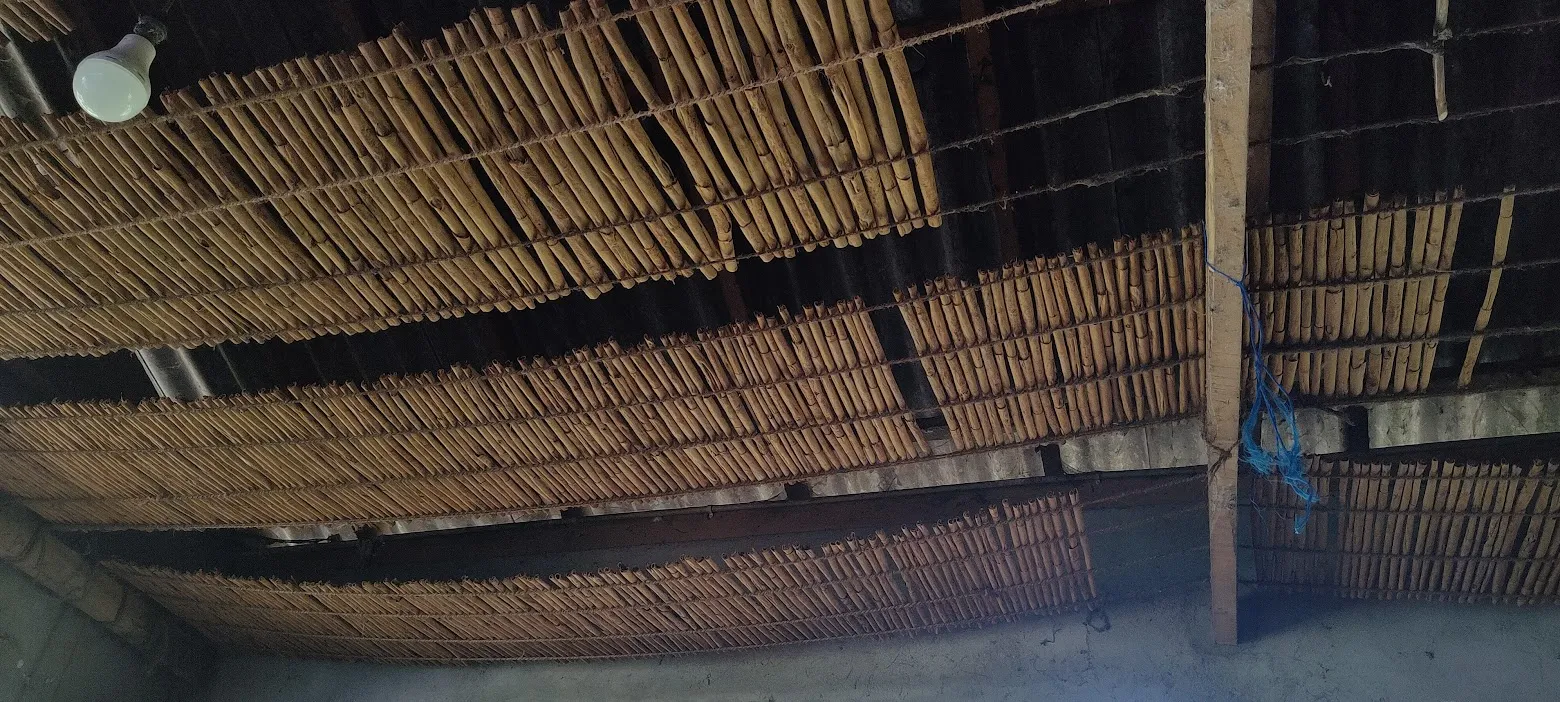
Rolling a Ceylon cinnamon quill is a craft. The bark is peeled from the branch, scraped, and curled by hand while still moist, pressed and layered with enough tension that the quill stays perfectly round through drying and shipping. A skilled roller produces something beautiful and consistent. It takes years to learn.
This is not industrial work. It cannot be fully mechanised. And it has been, for generations, dramatically undervalued.
What we’re trying to do
We built The Cinnamon Estate to collapse the chain. Our family runs the estate. We grow, harvest, dry, roll, and pack. Then we ship directly to the person who’s going to brew it.
There’s no collector, no exporter, no importer, no distributor. The margin those links would have taken stays in two places instead: with you, in the form of a fairer price for genuinely better cinnamon, and with the families who grow it.
That second part is the whole point. The growers on our estate earn a stable wage rather than a per-piece rate. Their children are supported through school. There’s a free health clinic on-site for the workers and their families.
Small, but real
We’re not pretending this fixes an entire industry. We’re one family estate. But it’s proof that the chain doesn’t have to be the way it is, that a small Sri Lankan producer can reach customers directly, in six countries and counting, and keep more of the value where the work actually happens.
That is what the 60% goal is for. It gives us something specific to be measured against, rather than a vague promise to do good, and it keeps the pressure where it belongs, on us.
Every order is a small vote for that model. Thank you for casting it.
From the shop: our Ceylon cinnamon sticks.
Taste the difference for yourself
Real Ceylon cinnamon, grown and hand-rolled on our family estate in Sri Lanka.
Shop the estate