The Myths of Ceylon Cinnamon: Giant Birds and a Guarded Secret
Giant birds, unreachable cliffs and a price to match. The stories traders told to hide where cinnamon grew, and how the secret finally broke.
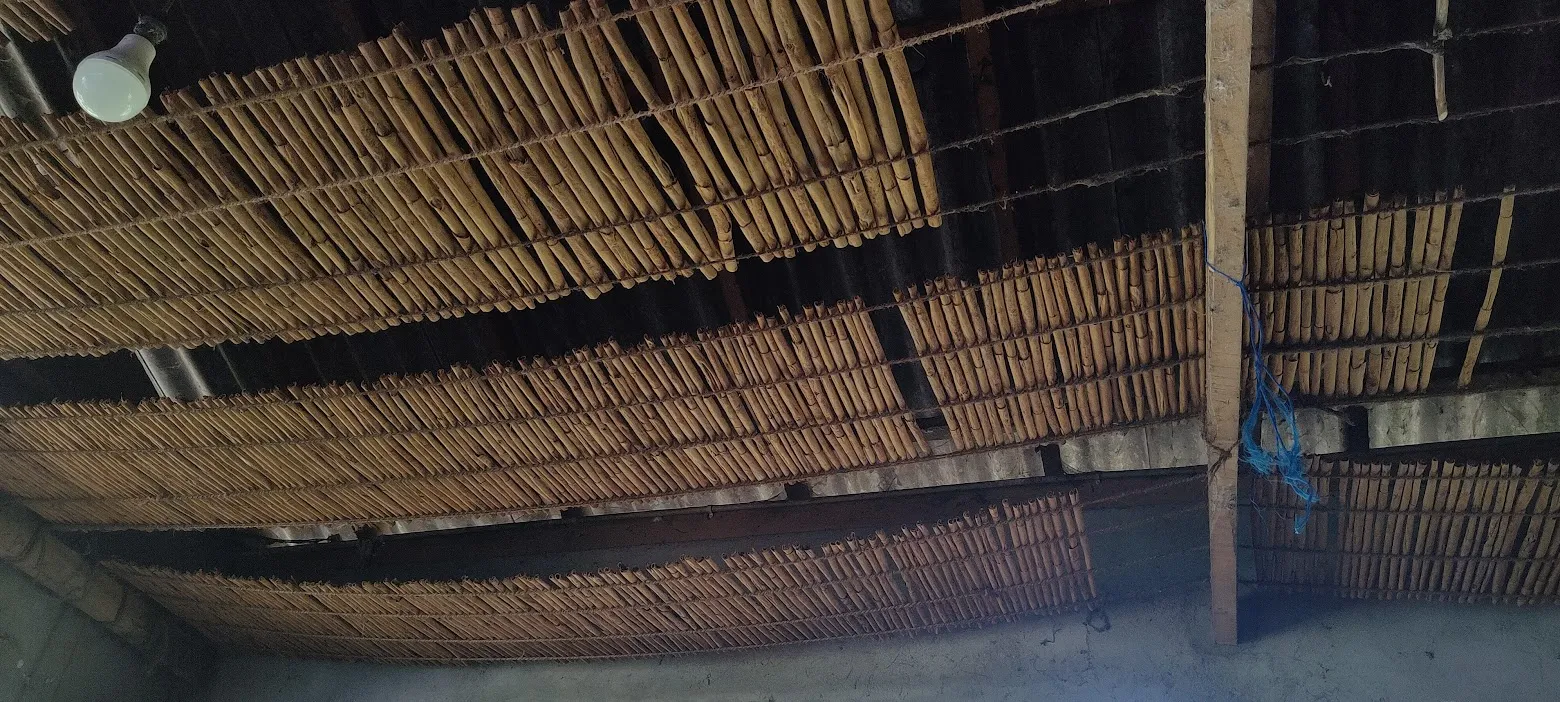
There is probably a quill of cinnamon in your cupboard right now, and you know exactly where it came from. The label says so. For most of recorded history, nobody in Europe could have told you. Cinnamon turned up in Greek and Roman markets at enormous prices, with no address attached. What filled the gap was one of the best marketing stories ever told.
The birds on the cliff
Herodotus, writing in the fifth century BC, reported that cinnamon came from Arabia and was collected in a rather unusual way. Giant birds, he said, gathered cinnamon sticks and used them to build nests on sheer cliffs that no person could climb. So the locals cut up oxen and other beasts of burden into heavy pieces and left them on the ground below. The birds carried the meat up to the nests, the nests gave way under the weight, and the fallen cinnamon was gathered from the rocks (Wikipedia: Cinnamon bird). Where the birds found the sticks in the first place, he could not say.
Aristotle told a tidier version in Historia Animalium. He called the creature kinnamomon orneon, put its nest in the branches of tall trees, and had the locals bring it down with arrows weighted with lead. Snakes and other guardians show up in related accounts of the spice harvest too (American Herbal Products Association). None of it was true. All of it was repeated for centuries.
A story that was doing a job
The tall tales were not honest confusion. They were a business asset. Arab merchants controlled the routes that brought cinnamon west, and they had every reason to keep the source to themselves, so both Herodotus and Theophrastus placed the spice firmly in Arabia (Kew). A monster guarding the harvest does two useful things at once. It justifies a frightening price, and it discourages anyone from sailing off to find the grove and cut you out.
The price was worth defending. Cinnamon is recorded as reaching Egypt as early as 2000 BC and was treated as a gift fit for kings, and in Rome a pound could cost as much as 1,500 denarii, something like fifty months of a labourer’s wages (Wikipedia: Cinnamon). Pliny recorded that at the funeral of Nero’s wife Poppaea in AD 65, the emperor burned more spice and perfume in a single day than Arabia produced in a year (Wikipedia: Cinnamon). Whatever else that was, it was a very public way of setting fire to money.
Pliny calls the bluff
Pliny the Elder, who lived from around AD 23 to 79, was the first big name to say plainly what was going on. He repeated some of the old stories, gave the bird a name of his own, cinnamolgus, and then dismissed the whole genre, writing that the tales had been invented by the locals to push up the price of their goods (Wikipedia: Cinnamon bird). He was right about the motive. He was still wrong about the map, and so was everyone else for a very long time afterwards.
Medieval Europe kept guessing. On the Seventh Crusade in 1248, the Sieur de Joinville reported that cinnamon was fished out of the water in nets at the source of the Nile (Wikipedia: Cinnamon). It is a lovely image. It is also several thousand kilometres wrong.
How the secret finally broke
The truth leaked out slowly, then all at once. Medieval writers were closing in on it: Maimonides, who died in 1204, and the Persian writer al-Qazwini later that century both connected cinnamon with Sri Lanka, and Venetian merchants dominated the European spice trade in the centuries that followed (Wikipedia: Cinnamon). Finding the actual source became an open ambition for European explorers.
It ended in 1505, more or less by accident. A Portuguese fleet under Lourenço de Almeida turned up on the island’s coast on its way somewhere else, made contact with the kingdom of Kotte, and quickly worked out what was growing there (World History Encyclopedia). By 1518 the Portuguese had trade concessions and a fort at Colombo. The Dutch pushed them out by 1658, and Britain took over the Dutch coastal territories in 1796. Two thousand years of mystery, and then three colonial powers in three hundred years, all over the bark of one tree.
The tree at the end of the story
The tree the birds were supposedly nesting near is Cinnamomum verum, and it still grows best in the same wet, warm strip of Sri Lanka it always did. No cliffs, no monsters. Just skilled peelers scraping the inner bark by hand and rolling it into quills, which is genuinely difficult work and the reason good Ceylon cinnamon has never been cheap.
Ours comes from our family estate and partner farms in Sri Lanka, hand-rolled, never fumigated, and sold direct so growers keep a fairer share. If you would like the end of the story in your own kitchen, our Ceylon cinnamon sticks and true Ceylon cinnamon powder are a good place to start. The address is on the label. It only took the world about two and a half thousand years.
Sources: Wikipedia: Cinnamon bird · Wikipedia: Cinnamon · American Herbal Products Association: Herbs in History, Cinnamon · Kew: Cinnamon, a festive favourite · World History Encyclopedia: European Discovery and Conquest of Sri Lanka
Taste the difference for yourself
Real Ceylon cinnamon, grown and hand-rolled on our family estate in Sri Lanka.
Shop the estate