Ceylon Cinnamon Benefits: What the Research Actually Says
Ceylon cinnamon benefits explained honestly: the low-coumarin advantage, antioxidants, and hedged blood sugar and anti-inflammatory research, with sources.
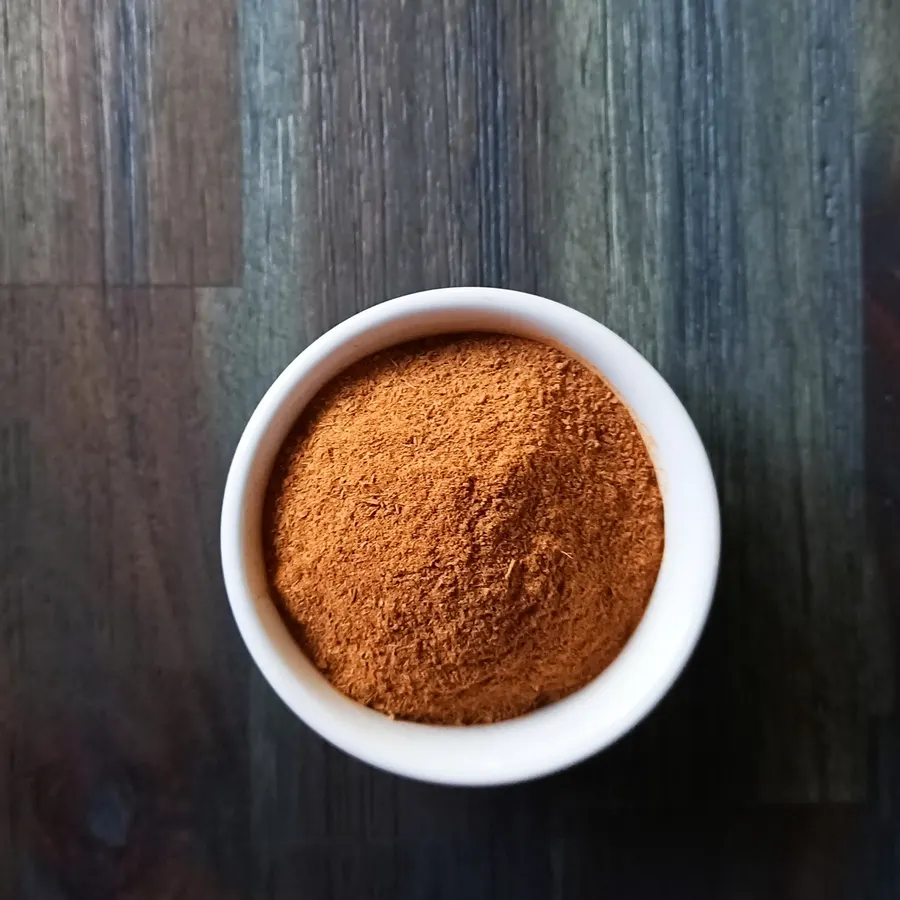
Search for cinnamon and health and you will find a lot of confident claims. As a family that grows the stuff, we would rather be honest than breathless: cinnamon is a lovely, aromatic spice with some genuinely interesting research behind it, but it is not a medicine and it does not cure anything. Here is a careful look at what Ceylon cinnamon may offer, what the science actually supports, and where the evidence is still thin.
This article is for general information only and is not medical advice. Cinnamon is not a treatment for any condition. If you are managing a health issue, are pregnant, or take medication, please talk to your doctor before adding cinnamon supplements to your routine.
First, the most important point: coumarin
If there is one clear, well-supported reason to choose Ceylon cinnamon, it is coumarin.
Coumarin is a naturally occurring compound found in cinnamon. In high amounts it has been linked to liver damage in sensitive people, and food-safety bodies set a tolerable daily intake for it. The key fact is that the two main types of cinnamon are very different here. Cassia cinnamon, the common supermarket type, can contain high levels of coumarin, while Ceylon cinnamon (the “true” cinnamon, Cinnamomum verum) contains only trace amounts. Published analyses put Ceylon cinnamon far below cassia, which is why Ceylon cinnamon is generally considered the safer choice for regular, everyday use (Healthline, NCCIH).
This is the strongest honest thing we can say about Ceylon cinnamon and health: if you enjoy cinnamon daily, in tea, coffee or cooking, the low-coumarin variety is the sensible one. We compare the two spices in detail in Ceylon cinnamon vs. cassia.
Antioxidants
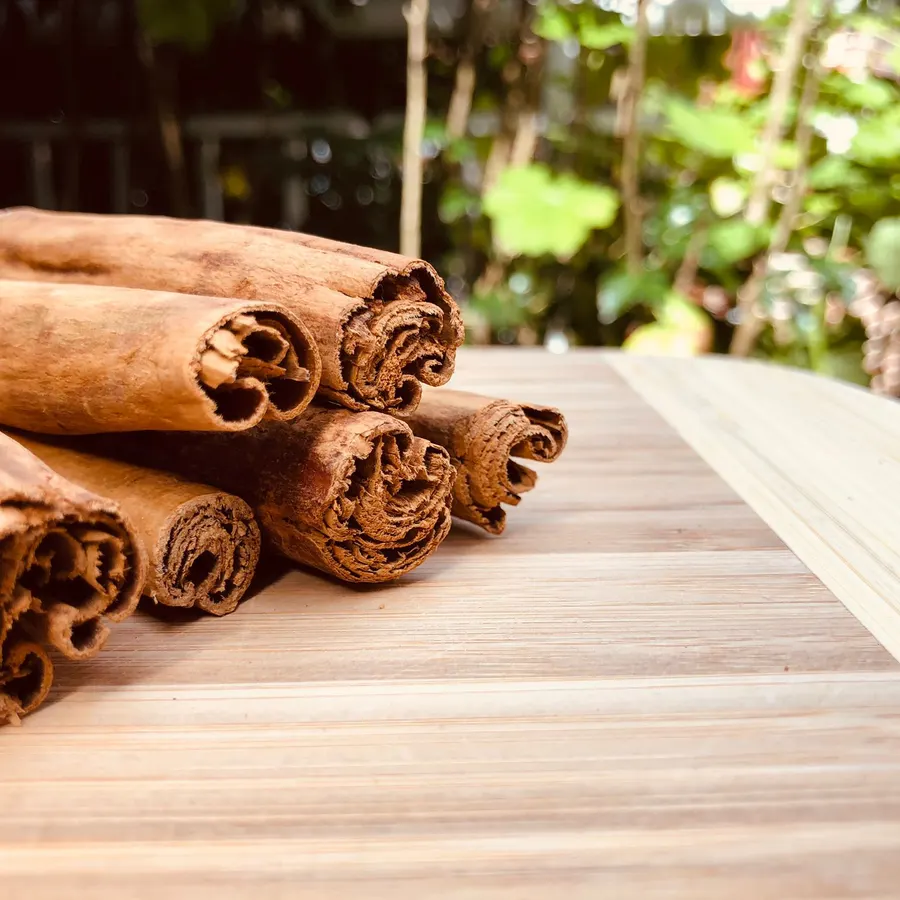
Cinnamon is rich in polyphenols, plant compounds that act as antioxidants, and it scores well on standard antioxidant measures compared with many other spices and foods (Healthline). Antioxidants help protect cells from oxidative stress, which is one reason spices and herbs are a genuinely useful part of a varied diet.
It is worth keeping this in proportion. You would use only a small amount of cinnamon at a time, so it is a nice contributor rather than a main source of antioxidants. Think of it as one small, pleasant part of an overall pattern of eating well, not a supplement to lean on.
Blood sugar: interesting, but not settled
This is the most researched and the most over-hyped area, so it deserves care.
Some studies suggest cinnamon may have a modest effect on fasting blood sugar and insulin sensitivity, and this is where a lot of the excitement comes from. However, the research is genuinely mixed. Trials vary in the type of cinnamon used, the dose and the participants, and reviews have reached different conclusions. The US National Center for Complementary and Integrative Health summarises the position plainly: studies of cinnamon for blood sugar and diabetes have had inconsistent results, and the evidence does not support using it as a treatment (NCCIH). Independent analysis site Examine reaches a similarly cautious view, noting effects that appear small and unreliable across studies (Examine).
So the honest summary is this: cinnamon may nudge blood sugar in some people, the effect looks small, and it is not a substitute for medication, diet or the advice of a doctor. If you have diabetes or take blood-sugar medication, this is exactly the kind of thing to discuss with your clinician rather than self-manage, since combining supplements with medication can matter.
There is a related, gentler use worth mentioning honestly: some women use cinnamon as part of managing PCOS, where insulin sensitivity is often a factor. The evidence there is early and hedged too, and we wrote about it carefully in cinnamon for PCOS.
Anti-inflammatory research
Laboratory studies have found that compounds in cinnamon, including cinnamaldehyde, show anti-inflammatory and antimicrobial activity (Healthline). Chronic inflammation is involved in many conditions, so this is a promising direction.
The honest caveat is that a lot of this work is done in test tubes or animals, at doses far higher than you would ever eat. That does not make it meaningless, but it does mean we cannot claim that sprinkling cinnamon on your porridge will reduce inflammation in your body. The research is still limited, and more human trials are needed before anyone can say so confidently.
Is Ceylon cinnamon good for you?
Put together, a fair answer is yes, as part of a normal diet, with realistic expectations. Ceylon cinnamon is a flavourful, antioxidant-rich spice that is naturally low in coumarin, which makes it a safe and pleasant thing to use often. Some of its possible benefits, particularly around blood sugar, are being actively researched and look modest and uncertain rather than proven. It is food, not medicine, and its best role is making genuinely good food and drink that you will happily return to day after day.

Practical daily-use notes
- Little and often beats a lot. A stick or two in tea, a spoon of powder over yoghurt or in coffee, a stick in a curry or pot of rice. There is no benefit to overdoing it.
- Choose Ceylon cinnamon for daily use. Because of the coumarin difference, the true cinnamon is the sensible pick if you use it every day. Cassia is fine occasionally, in smaller amounts.
- Talk to your doctor if you take medication. This is especially true for blood-sugar and blood-thinning medicines, or during pregnancy.
- Whole or freshly ground keeps its aroma longest. Store sticks in an airtight jar away from heat and light, and grind small amounts as you need them.
If you would like to make Ceylon cinnamon a regular part of your day, our true Ceylon cinnamon powder is grown and prepared on our family estate in Sri Lanka, never fumigated, and naturally low in coumarin. It is an easy, honest way to enjoy the spice often, and every purchase helps the growers who tend the trees.
Sources: NCCIH (US National Center for Complementary and Integrative Health) · Healthline: Ceylon cinnamon vs Cassia · Healthline: proven benefits of cinnamon · Examine: cinnamon
Taste the difference for yourself
Real Ceylon cinnamon, grown and hand-rolled on our family estate in Sri Lanka.
Shop the estate