Persia's Slow Stews: Cinnamon in the Iranian Kitchen
Iranian cooking keeps cinnamon on the savoury side. A warm look at khoresh, the advieh spice tin, jewelled rice, and the celebration food that carries it.
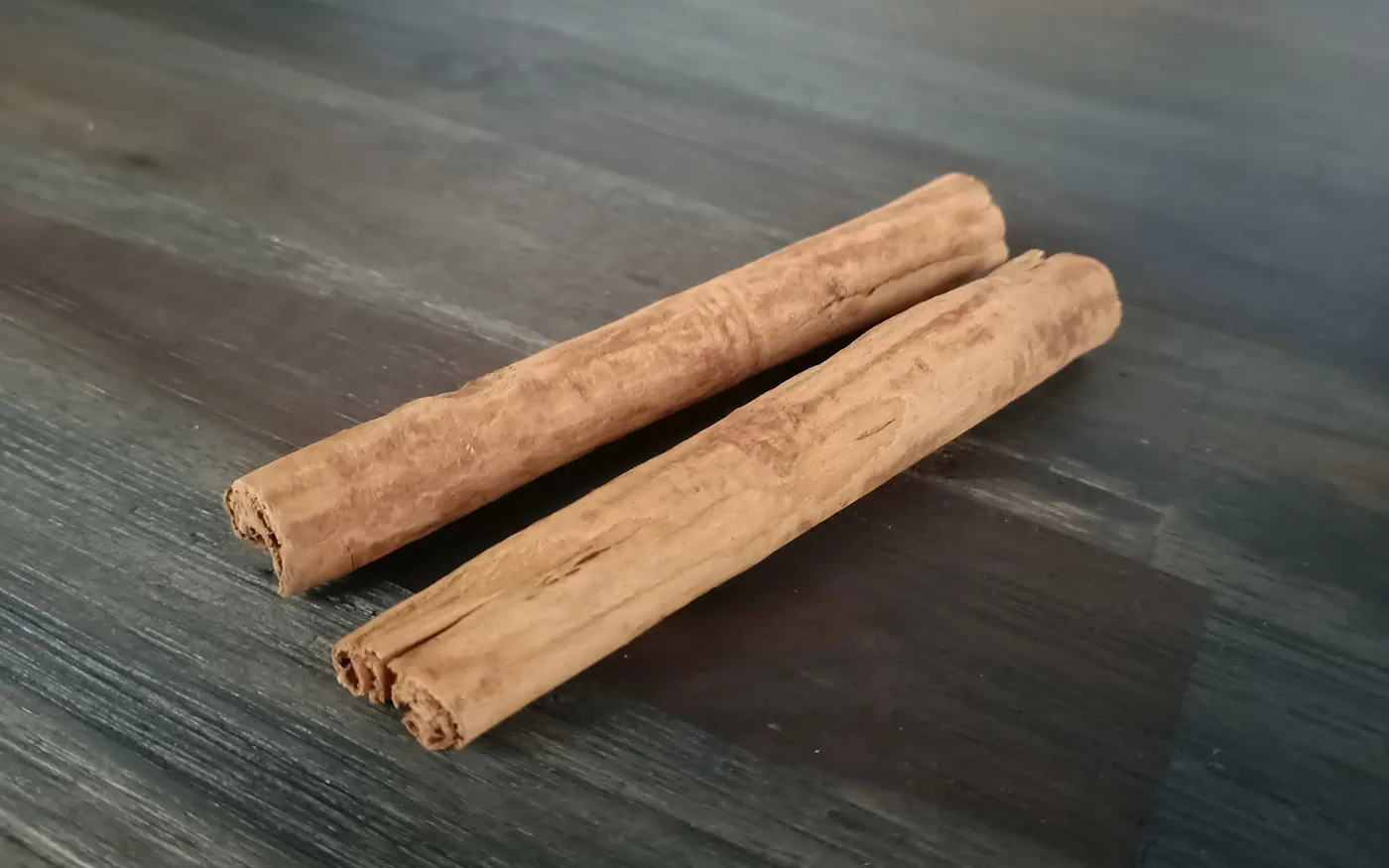
Ask most people where cinnamon belongs and they will say a cake. An Iranian cook would find that a strange answer. In Iran the spice spends most of its life in the savoury half of the kitchen. It goes into the pot of lamb that has been bubbling since morning, it sits in the spice tin beside the stove, and it turns up in the rice served at a wedding. Nobody there thinks of it as a dessert spice, because it never really was one.
The stew that takes its time
The heart of Iranian home cooking is the khoresh. The word comes from the Persian verb khordan, to eat, and it means something close to “meal” (Wikipedia). A khoresh is a slow stew, usually built on meat and one leading ingredient, and it is almost always served with rice.
Most are named after whatever they are made of. Khoresh gheymeh uses split peas and dried limes. Khoresh bademjan is built on aubergine, with onion, turmeric and tomato behind it (Wikipedia). Fesenjan leans on ground walnuts and pomegranate molasses, which is why it turns dark and sour and rich. Khoresh alu takes its character from prunes (Wikipedia). The style travelled well, and related slow stews turn up across Iraq, Afghanistan, Central Asia and South Asia.
Cinnamon suits this kind of cooking for a simple reason. A pot that cooks for three hours does not want a sharp spice thrown in at the end. It wants something that can sit in the liquid and slowly give itself up. The bark does exactly that, softening into the background instead of announcing itself.
Advieh, the spice tin of the house
Advieh is simply the Persian word for spice, and it comes through Arabic from a root meaning remedy or medicine (Wikipedia). In everyday cooking it means a house blend, and cinnamon is nearly always in it.
A typical advieh brings together turmeric, cinnamon, cardamom, cloves, rose petals, cumin and ginger. Depending on the cook and the region, it might also pick up golpar, saffron, nutmeg, black pepper, mace, coriander or sesame. The mixture shifts as you travel, so a blend near the Persian Gulf will not taste like one from the Caspian coast (Wikipedia).
There are two main jobs it does. Advieh-e polo is the rice blend, and it is usually scattered over the rice once it is cooked. Advieh-e khoresh is the stew blend, often carrying saffron, sesame, cinnamon, rose buds and coriander, and it goes into the pot or onto meat before roasting (Wikipedia). Cinnamon appears in both, which tells you how central it is.
Rice dressed as jewels
Persian celebration food is built around rice, and the grandest version of it is morasa polo, which translates as jewelled rice. It is the dish that shows up at weddings, birthdays and holidays, and a simpler cousin of it is known as shirin polo (Wikipedia).
The name is literal. The rice is scattered with dried fruit and nuts so that the finished dish glitters. Barberries sit in it like small rubies, pistachios and almonds go through it, and strips of orange peel and carrot catch the light. Saffron or turmeric colours part of the rice, and the whole thing is often built over tahdig, the crisp golden crust that forms at the bottom of the pot (Wikipedia).
Advieh-e polo is what ties it together. A pinch goes over the finished rice, and the warm note running through it is cinnamon.
Sweet and savoury were never separated
What makes Persian food feel unfamiliar to a lot of Western cooks is that it does not build a wall between sweet and savoury. Pomegranate molasses turns up in a meat stew. Prunes go in with the lamb. Sugar and orange peel find their way into the rice on the same plate as the meat.
Cinnamon sits comfortably on that line, because it belongs to both sides at once. If you have read our piece on cinnamon in Moroccan cooking, you will recognise the pattern. Several great cuisines got there long before Europe started filing spices into sweet and savoury drawers.
Bring it into your own pot
If you want to try this at home, the easiest way in is to drop a stick into your next slow-cooked lamb or beef, along with turmeric and a piece of dried lime if you can find one. Leave it there for the whole cook and take it out at the end. You will taste warmth rather than cinnamon, which is exactly the point.
For a long braise, whole bark is the one to reach for, and our Ceylon cinnamon sticks are soft enough to break by hand into a pot. If you cook this way often, the 850g bulk sticks work out far kinder on the budget. Both are grown and hand-rolled on our family estate in Sri Lanka, never fumigated, and sold direct so the growers keep a fairer share. Put the pot on early, and let the afternoon do the work.
Sources: Wikipedia: Khoresh · Wikipedia: Advieh · Wikipedia: Shirin polo · Wikipedia: Khoresh bademjan
Taste the difference for yourself
Real Ceylon cinnamon, grown and hand-rolled on our family estate in Sri Lanka.
Shop the estate